

Living near the coast brings year-round sun, ocean breezes, and beautiful views, but it also brings unique challenges for HVAC systems. Salt air, high humidity, and wind-driven minerals can collect on outdoor equipment and speed up wear and corrosion. Without the right protection, homeowners may experience reduced efficiency, more frequent repairs, or shortened system lifespan. Coastal homes depend on HVAC units that are built and maintained to stand up to these environmental conditions.
Understanding how salt exposure affects system components helps homeowners make better decisions about maintenance, upgrades, and long-term care. Whether the home sits directly on the shoreline or a few miles inland, the coastal climate still influences HVAC performance and durability.
In this blog, we will explore how salt air causes corrosion, how a coastal environment impacts both outdoor and indoor equipment, and what steps homeowners can take to protect their systems with help from Grande Aire.
Why Coastal Environments Damage HVAC Systems
Coastal environments expose HVAC systems to a unique combination of salt, moisture, and wind that accelerates wear on metal components. Salt particles travel through the air and settle onto outdoor units, where they collect on coils, fins, and fasteners. Once salt mixes with humidity, it begins to break down protective metal surfaces and speeds up the corrosion process. This creates an environment where HVAC equipment ages faster compared to systems located inland.
Continuous exposure to ocean air can also affect system efficiency. As corrosion builds, it restricts airflow across the coils, reduces heat transfer, and forces the system to work harder to maintain indoor comfort. Over time, this can lead to higher energy use, reduced cooling performance, and frequent repairs.
Homes near the shoreline or on waterfront properties face the highest risk due to constant salt-heavy breezes, but homes several miles inland can still experience salt exposure during humid or windy days. Understanding how coastal conditions damage HVAC components is an important first step in building a long-lasting, corrosion-resistant system.
Key Points of Salt-Driven Corrosion
Salt-driven corrosion is one of the most common and damaging issues for coastal HVAC systems. Salt particles cling to metal surfaces and create the conditions that allow rust and deterioration to form much faster than in inland environments. Understanding the way salt interacts with HVAC equipment helps homeowners recognize early signs of wear and take preventive action.
- Salt binds easily to metal surfaces and creates a thin, corrosive film.
- Moisture in the air activates salt buildup and accelerates rust formation.
- Corrosion weakens coils, fins, and fasteners over time.
- Salt accumulation reduces heat transfer and disrupts airflow.
- Early signs include rust spots, discoloration, and reduced cooling performance.
- Outdoor units located in open, wind-exposed areas face higher corrosion risks.
These factors highlight why routine cleaning and protective treatments are essential for any HVAC system operating in a salt-heavy environment.
Protective Coatings and Corrosion-Resistant Materials
Using the right protective coatings and corrosion-resistant materials is one of the most effective ways to extend the life of an HVAC system in a coastal environment. These treatments and materials help shield exposed components from salt, moisture, and wind-driven particles that lead to premature wear.
Protective coatings are applied to coils, cabinets, and other metal parts to create a barrier that reduces direct contact with salt-heavy air. Many HVAC manufacturers offer factory-applied coatings designed specifically for coastal regions, while aftermarket treatments can reinforce older systems or add an extra layer of protection.
- Coil coatings help prevent salt from attaching to aluminum or copper surfaces.
- Corrosion-resistant cabinet finishes protect the exterior of outdoor units.
- Stainless-steel fasteners and hardware hold up better in high-humidity environments.
- Composite fan blades resist salt-related brittleness and wear.
- Coated refrigerant lines help prevent surface rust and premature leaks.
Choosing materials designed for coastal durability helps the system maintain efficiency and remain structurally sound for a longer period.
Essential Maintenance Strategies for Coastal Homes
Regular maintenance is one of the most effective ways to protect an HVAC system from salt exposure and corrosion. Coastal homes benefit from more frequent cleaning, inspections, and system checks to prevent salt buildup and maintain efficient performance. Without routine care, salt and moisture can quickly lead to restricted airflow, weakened components, and reduced cooling capacity.
Maintenance for coastal HVAC systems focuses on removing salt deposits, improving air circulation, and keeping outdoor equipment as clean as possible. These steps help slow corrosion and support long-term system reliability.
- Rinse outdoor coils regularly to remove salt and debris.
- Schedule seasonal tune-ups to catch early signs of corrosion.
- Clear vegetation around the unit to improve airflow and reduce trapped moisture.
- Inspect cabinets, fins, and fasteners for rust or discoloration.
- Clean indoor components to prevent humidity-driven wear and mold growth.
Coastal homes that follow a consistent maintenance schedule experience fewer breakdowns and maintain strong cooling performance, even in harsh coastal air.
How Airflow and Placement Affect Salt Exposure
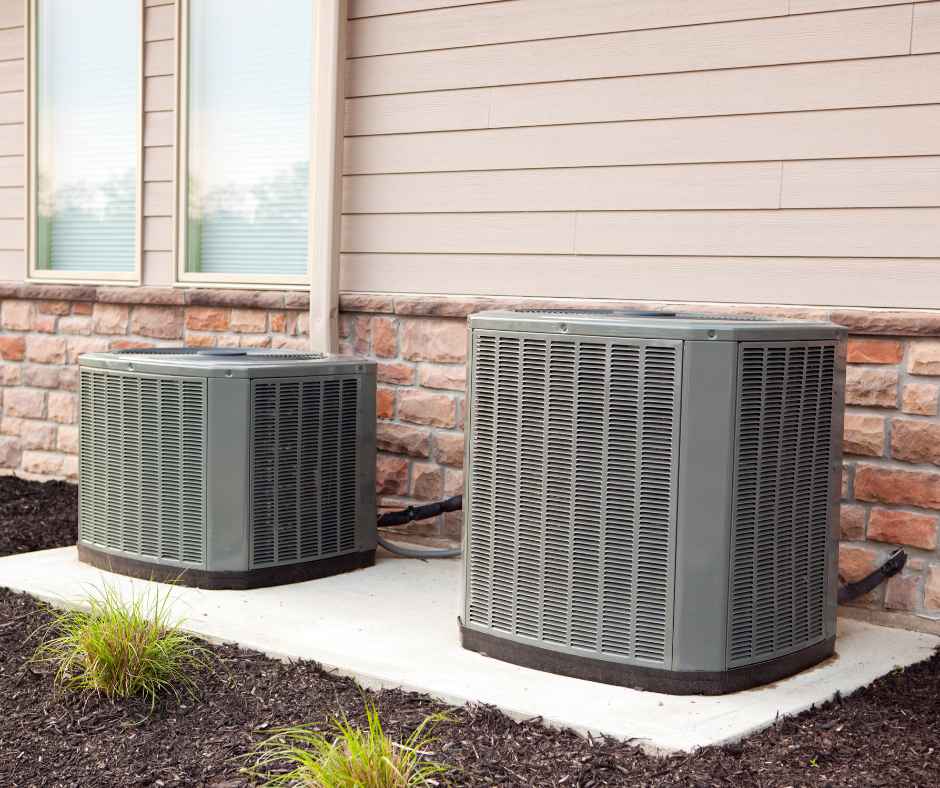
The placement of an HVAC system plays a major role in how much salt exposure it receives. Homes in coastal areas experience shifting winds, high humidity, and airborne salt that can reach outdoor equipment from multiple directions. When a unit is installed in an open, wind-exposed location, it collects salt more quickly and experiences faster corrosion.
Strategic placement can significantly reduce the amount of salt and moisture a system encounters. Proper airflow around the outdoor unit also helps prevent salt from settling and keeps components cleaner for longer.
- Installing the unit away from direct ocean-facing winds reduces salt-heavy airflow.
- Elevating outdoor equipment helps protect it from pooled moisture and sand.
- Positioning the system in a partially sheltered area lowers salt accumulation.
- Maintaining clear airflow around the unit prevents trapped humidity.
- Avoiding tight, enclosed spaces reduces the risk of moisture buildup.
Proper placement and airflow planning help extend the life of an HVAC system and reduce the impact of coastal conditions.
Upgrading Components for Coastal Longevity
Upgrading specific components can significantly improve the lifespan and reliability of an HVAC system in coastal environments. Many standard parts are not designed to withstand constant exposure to salt-heavy air, which means corrosion and premature wear can occur much sooner than expected. Choosing materials and components built for coastal durability helps protect the system and maintain consistent performance.
These upgrades strengthen the system against humidity, rust, and salt buildup while reducing the frequency of repairs.
- Stainless-steel screws and fasteners resist rust better than standard hardware.
- Coated coils help prevent salt-related corrosion and extend system life.
- Composite or corrosion-resistant fan blades hold up better in humid conditions.
- Protective housings and covers shield outdoor units from salt and wind.
- Upgraded refrigerant lines with corrosion-resistant finishes reduce the risk of leaks.
Investing in these components helps coastal homeowners maintain a stronger, longer-lasting HVAC system.
Indoor Systems Still Need Coastal Protection
Even though indoor HVAC components are not directly exposed to ocean air, they can still experience damage from humidity and salt particles that travel inside the home. Coastal moisture enters through windows, doors, and ventilation pathways, and over time, it can reach air handlers, electrical connections, and internal metal components. Without proper care, indoor systems may develop rust, reduced airflow, or early equipment failure.
Indoor HVAC protection focuses on controlling humidity, improving airflow, and preventing salt and moisture from settling inside the equipment.
- High indoor humidity can cause rust on coils, drain pans, and electrical parts.
- Salt particles carried indoors can settle on metal surfaces and accelerate wear.
- Routine cleaning of the air handler helps prevent buildup and corrosion.
- Managing humidity with dehumidifiers reduces strain on the HVAC system.
- Inspecting indoor components ensures small issues are addressed before they grow.
Protecting both indoor and outdoor equipment helps maintain efficiency and prevents long-term corrosion throughout the entire HVAC system.
Coastal HVAC Protection Matters
Coastal environments expose HVAC systems to constant salt, humidity, and wind, which can significantly shorten equipment life and reduce efficiency without the right protection. When homeowners use corrosion-resistant materials, schedule routine coastal maintenance, and take steps to limit salt-heavy airflow around their outdoor units, they can prevent early wear and maintain stronger system performance year-round. Indoor equipment also benefits from humidity control and regular inspections to prevent hidden corrosion.
For expert maintenance, protective solutions, and coastal HVAC care tailored to your home, contact Grande Aire today to schedule a professional evaluation.
Frequently Asked Questions About Coastal HVAC Care
How close to the coast does a home need to be for salt to affect the HVAC system?
Salt exposure can affect HVAC systems even several miles inland. Wind direction, humidity levels, and seasonal storms can carry salt particles far beyond the shoreline, making coastal HVAC protection valuable for many nearby communities.
Can a coastal HVAC system last as long as a standard inland system?
Yes. With coatings, corrosion-resistant materials, proper maintenance, and strategic placement, a coastal HVAC system can achieve a normal or near-normal lifespan. Regular cleaning and inspection are essential to maintain longevity.
Should outdoor HVAC units in coastal areas be covered when not in use?
Covers should be used with caution. While they can block salt-heavy air, they can also trap moisture if not properly ventilated. A breathable, coastal-rated cover is recommended during off-season periods.
How often should coils be rinsed in a salt-air environment?
Coils in coastal regions benefit from rinsing every one to three months, depending on proximity to the ocean and local wind patterns. More frequent rinsing may be necessary for homes facing direct ocean winds.
Are certain HVAC brands better suited for coastal environments?
Some manufacturers offer coastal-rated units with factory-applied coil coatings, corrosion-resistant cabinets, and upgraded hardware. A professional technician can recommend models specifically designed to handle salt exposure.