

While the rest of the country is shoveling snow, residents along the Gulf Coast enjoy a uniquely mild winter characterized by swaying palms and gentle breezes. However, Southwest Florida’s winter weather is far from “dry.” In places like Englewood, Naples, and Boca Grande, the humidity often remains high even as the mercury drops, creating a specific set of challenges for your home’s climate control.
In this blog, we will explore how high Gulf Coast humidity impacts HVAC performance during our mild Florida winters and the proactive steps you can take to maintain a crisp, comfortable indoor environment.
The “Clammy” Effect: Why Short Cycles Fail
In the middle of a Florida winter, the temperature often hovers in the mid-70s. While this seems ideal, it actually creates a mechanical challenge for your air conditioner. To remove moisture, your system must run for an extended period so the evaporator coil remains cold enough to condense water vapor. On a mild day, your thermostat reaches its target temperature quickly, causing the system to shut off before it can properly dry the air. This results in the “clammy” feeling where your home is technically cool but uncomfortably damp.
This phenomenon, known as short cycling, is one of the most common causes of poor HVAC performance during the winter months. When the compressor shuts off prematurely, the fan often continues to run for a few minutes, blowing the moisture that just settled on the wet coils right back into your living space. This cycle keeps your indoor humidity levels high, even if your air conditioner is brand new.
- Reduced Compressor Runtime: Short cycles satisfy the temperature setting without ever reaching the “dehumidification phase” of the cooling process.
- The Evaporator Delay: It takes several minutes for the cooling coils to reach the dew point required to remove moisture from the Gulf Coast air.
- Re-humidification: Residual water on the coils re-evaporates into the ductwork when the cooling cycle ends prematurely.
- Perceived Temperature Shift: Moist air holds more heat, often leading homeowners to lower the thermostat further to feel dry.
Breaking this cycle requires a system that is tuned for “low-load” conditions. By ensuring your HVAC system is correctly sized and considering variable-speed technology, you can achieve longer, lower-intensity cycles that prioritize moisture removal. This shift in operation transforms your home from a humid box into a crisp, dry sanctuary, regardless of how “mild” the weather is outside.
Coastal Corrosion: The Silent System Killer
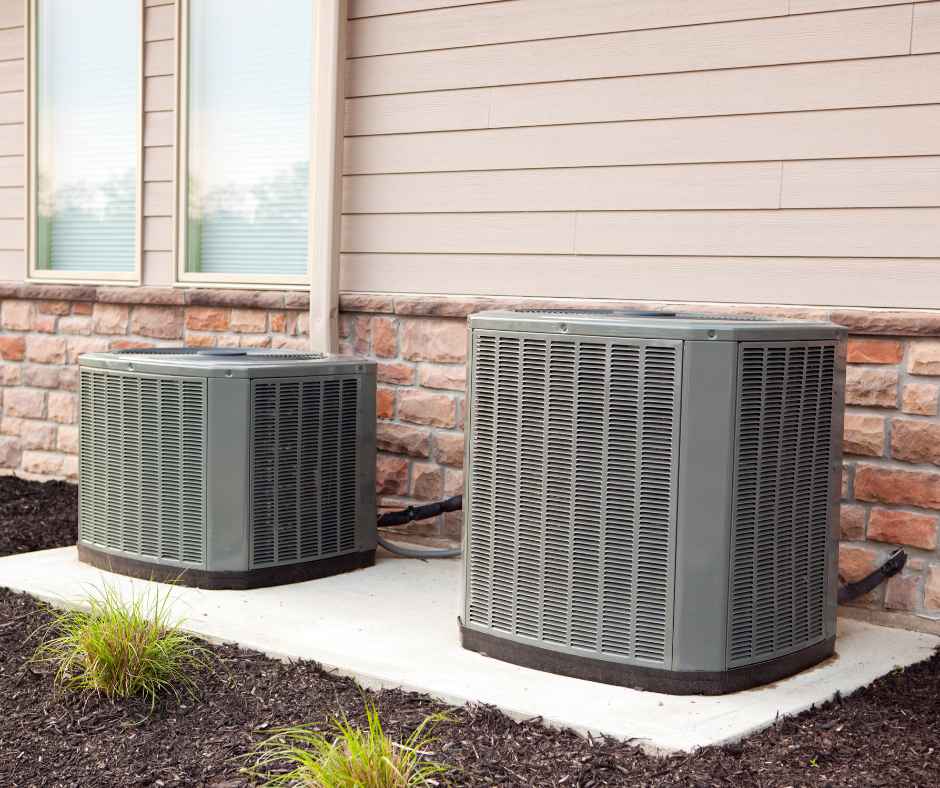
Living along the Gulf Coast means your HVAC system is constantly exposed to salt-laden air. While many homeowners associate corrosion with the salt spray of a summer storm, the high humidity of a Florida winter actually accelerates this process. Moisture in the air acts as a delivery system for salt particles, allowing them to settle deep within the delicate fins of your outdoor condenser unit. When humidity is high, these salt deposits remain damp, causing a chemical reaction that corrodes the aluminum and copper components of your system.
This “salt air corrosion” significantly degrades your HVAC performance over time. As the metal fins deteriorate, they lose their ability to transfer heat efficiently. Your system then has to work harder and run longer to achieve the same cooling effect, resulting in higher energy bills and a shorter overall lifespan for the equipment. In the winter, when we often have foggy mornings and high dew points, this corrosive “salt-damp” can do more damage than the dry heat of mid-summer.
- Finned Tube Decay: Salt causes the aluminum fins to flake off, reducing the surface area available for heat exchange.
- Galvanic Corrosion: The interaction between different metals in the presence of salt water causes electrical shorts and refrigerant leaks.
- Cabinet Rust: High humidity causes the protective exterior coatings to bubble and peel, exposing the raw steel beneath.
- Electrical Failure: Salt air can penetrate electrical cabinets, causing corrosion on contactors, capacitors, and circuit boards.
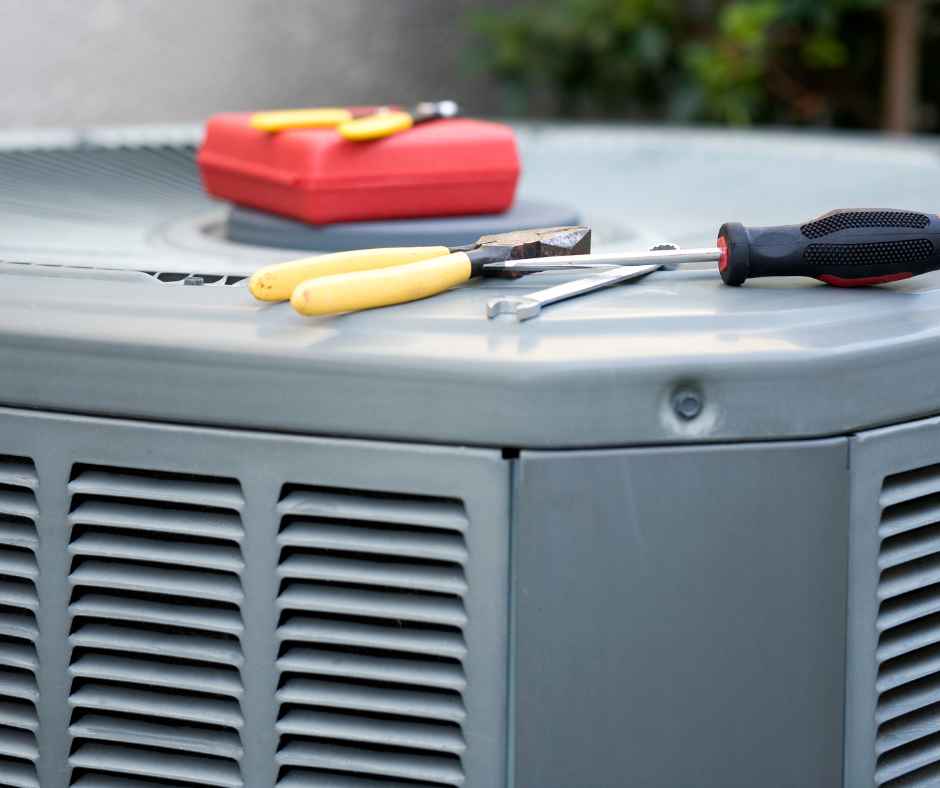
To combat this silent killer, regular maintenance is non-negotiable for Gulf Coast residents. Rinsing your outdoor unit with fresh water and applying professional-grade anti-corrosive coatings can create a barrier against the salt. By addressing these issues during the mild winter months, you can prevent a catastrophic system failure when the intense heat of the Florida summer returns.
Indoor Air Quality: Deterring Winter Mold
While we often associate mold with the sweltering heat of August, the mild Florida winter provides a unique “incubation” period. When outdoor humidity remains high, but the air is too cool for your AC to run long cycles, indoor moisture levels can skyrocket. Because we tend to keep our homes closed during the winter to take advantage of the cooler air, the resulting trapped moisture has nowhere to go. This creates a favorable environment for mold spores on porous surfaces such as drywall, wood, and upholstery, significantly impacting indoor air quality.
Poor HVAC performance during these months often results in a musty odor upon returning home. Without consistent air movement and dehumidification, moisture settles in dark, stagnant corners of your house, such as closets and behind furniture. To protect your home, it is vital to keep indoor humidity below 50%, even when you aren’t using your cooling system.
- Stagnant Air Pockets: Areas with low airflow, such as walk-in closets, are the first to experience mold growth during humid winter spells.
- Condensation on Vents: When warm, moist air hits the cold metal of your supply vents, it creates water droplets that can lead to localized mildew.
- Spore Circulation: If mold begins to grow inside your ductwork, your HVAC system will distribute those spores to every room when the fan turns on.
- Increased Irritants: High humidity also encourages dust mite activity, which can trigger winter allergies and respiratory issues.
Deterring winter mold requires a two-pronged approach: consistent airflow and humidity control. Using ceiling fans to keep air circulating and ensuring your bathroom exhaust fans are functioning properly are great first steps. However, for true peace of mind, many Gulf Coast homeowners find that integrating an air purifier or a specialized UV light system into their HVAC system is the only way to permanently prevent biological growth.
Heat Pump Efficiency During Florida Cold Snaps
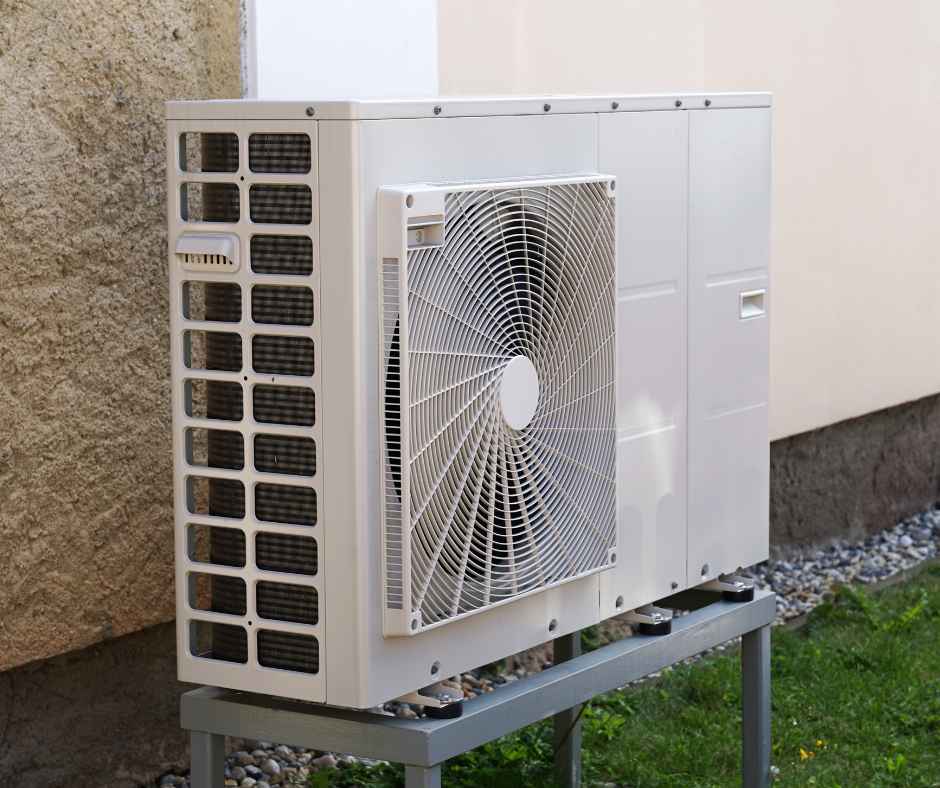
While the Gulf Coast is known for warmth, occasional cold snaps can send temperatures tumbling into the 40s or even 30s. Most homes in Southwest Florida utilize heat pumps rather than traditional furnaces. A heat pump works by reversing the cooling process, extracting heat from outdoor air, and transferring it indoors. However, high Gulf Coast humidity complicates this process. When the temperature drops and the humidity is high, frost can quickly accumulate on the outdoor coils, forcing the system into a “defrost mode” that can temporarily reduce your HVAC performance.
During a defrost cycle, the system switches back to cooling mode for a few minutes to melt ice from the outdoor unit. This can be startling for homeowners who notice steam rising from the unit or feel a brief blast of cool air from their vents. If your system is older or low on refrigerant, it may struggle to defrost efficiently, causing it to run longer and consume significantly more energy than necessary.
- The Frost Point: High humidity means there is more water vapor in the air, which can freeze on your coils when the temperature drops into the mid-30s.
- Auxiliary Heat Engagement: If the heat pump cannot keep up with the cold, it triggers “emergency heat” strips, which are much more expensive to operate.
- Defrost Logic Issues: A faulty sensor can cause the system to remain in defrost mode too long or fail to trigger it at all, resulting in a complete ice-over.
- Airflow Restrictions: Leaves or debris around the outdoor unit trap moisture, which accelerates ice buildup during cold snaps.
Ensuring your heat pump is serviced before the first cold front arrives is the best way to maintain efficiency. A professional technician can check refrigerant levels and sensor calibration to ensure the defrost cycle is working as intended. This preparation keeps your home warm during those rare Florida freezes without a massive spike in your monthly utility bill.
The Solution: Dedicated Humidity Control
When the Florida winter keeps the air “heavy” but the temperatures mild, the most effective way to maintain HVAC performance is to decouple cooling from dehumidification. Standard air conditioners are designed to cool first and dry second. By adding a dedicated whole-home dehumidifier to your existing system, you allow the equipment to remove gallons of water from the air every day without lowering the temperature. This ensures that your home stays at a crisp 45% humidity level even if your air conditioner hasn’t cycled on in hours.
Another modern solution for the Gulf Coast climate is the transition to variable-speed technology. Unlike traditional systems that are either “all on” or “all off,” variable-speed compressors can run at very low intensities for long periods. This allows the system to stay on just enough to keep the air moving and the moisture pulling, without over-cooling your living space. This constant, gentle operation is the gold standard for managing the unique environmental challenges of a Southwest Florida winter.
- Independent Operation: A whole-home dehumidifier can run even when the AC is off, protecting your home 24/7.
- Extended Equipment Life: Reducing the number of “start-stop” cycles on your main AC unit prevents mechanical wear and tear.
- Energy Savings: Maintaining lower humidity allows you to stay comfortable at higher thermostat settings, reducing monthly energy costs.
- Enhanced Comfort: Eliminating the “clammy” feeling ensures your bedding, floors, and air stay dry and fresh.
Investing in dedicated humidity control is a game-changer for residents in Englewood and Boca Grande. It moves your home beyond basic temperature control and into true climate management. By removing the burden of moisture from your primary air conditioner, you create a more resilient, efficient, and comfortable environment that can handle whatever the Gulf Coast weather throws your way.
Reliable Comfort with Grande Aire Services
Since 1992, Grande Aire Services has been the trusted name for climate control across Southwest Florida. From the historic streets of Boca Grande to the coastal reaches of Naples, we understand that managing HVAC performance in a marine environment requires more than just basic repairs. We specialize in coastal-ready solutions that address salt air corrosion, extreme humidity, and the unique needs of Florida winters. Our team is committed to providing the technical expertise and local experience necessary to keep your home healthy and your air crisp.
We believe in a proactive approach to home comfort. Whether you need a precision tune-up to prepare for a cold snap or a custom-designed humidity control system, our NATE-certified technicians are ready to serve. Choosing Grande Aire means partnering with a company that understands the local landscape and values the long-term reliability of your equipment. Contact us today to learn how we can optimize your home for the Gulf Coast’s unique seasonal shifts.
Ready to say goodbye to the “winter sticky” and protect your home from salt air? Contact Grande Aire Services today to schedule your coastal maintenance check or explore our whole-home dehumidification options!
Frequently Asked Questions
Why does my home feel more humid in the winter than in the summer?
In the summer, your AC runs constantly, which removes a lot of moisture. In winter, the AC runs infrequently because it is mild outside, allowing humidity to build up indoors without being vented.
Is it safe to rinse my outdoor unit with a garden hose?
Yes. In coastal areas like Englewood, we recommend gently rinsing the outdoor condenser coils with fresh water once a month to remove salt buildup. Use a gentle spray rather than a high-pressure jet.
What is the ideal indoor humidity level for a Florida home?
For both comfort and mold prevention, we recommend keeping your indoor relative humidity between 45% and 50%. Anything above 60% significantly increases the risk of biological growth.
Do I really need to service my AC if it’s only 70 degrees outside?
Yes. Winter maintenance is actually the best time to check for salt corrosion and ensure your heat pump’s defrost cycle is ready for a potential cold snap.
Can a smart thermostat help with humidity?
Many modern smart thermostats have “humidity sensing” capabilities that can force your AC to run longer cycles specifically to remove moisture, though a dedicated dehumidifier is still the most efficient option.