

Living in Southwest Florida, particularly in coastal gems like Boca Grande, Gasparilla Island, and across Charlotte Harbor, means our air conditioning systems are more than just a luxury: they are a lifeline. In a climate where the cooling season effectively lasts from January to December, your HVAC unit works harder than almost anywhere else in the country. While professional intervention is necessary for complex repairs, there are several straightforward HVAC maintenance tasks you can handle yourself to keep your system efficient and reliable.
The relentless combination of high humidity, fine white sand, and corrosive salt air poses unique challenges for Florida mechanical systems. If left unaddressed, these environmental factors can lead to skyrocketing utility bills and premature system failure. In this guide, we will break down the most effective DIY maintenance tasks that every Florida resident should know.
The Filter First: Managing Dust, Pet Hair, and Sand
The single most important thing a Florida homeowner can do for their air conditioner is to change the air filter regularly. In our region, the standard “three-month” recommendation often falls short. Between the fine sand tracked in from the beach, the pet hair from our four-legged family members, and the pollen that blooms nearly year-round, a filter can become “impacted” in as little as 30 days. When a filter is clogged, your system has to work twice as hard to pull air through the fabric, which puts immense strain on the blower motor and significantly reduces your cooling capacity.
Choosing the right filter is also a balancing act. While high-MERV filters catch more microscopic particles, they can also restrict airflow if your system isn’t designed for them. Consistent HVAC maintenance starts with finding the “sweet spot” for your specific unit. To keep your air flowing freely and your motor running cool, follow these essential filter management tips:
- The 30-Day Inspection: Checking your filter once a month and replacing it immediately if you see a visible layer of grey dust or “fuzz.”
- Understanding MERV Ratings: Selecting a filter with a MERV rating between 8 and 11 to balance air filtration with proper mechanical airflow.
- Accounting for Pets: Replacing filters more frequently if you have shedding dogs or cats, as dander accumulates much faster in humid environments.
- Arrow Orientation Awareness: Ensuring the arrow on the filter frame points toward the unit (the airflow direction) to prevent “filter collapse.”
- Post-Construction Care: Changing your filter immediately after any home renovations or drywall work to clear out fine dust from construction.
- The “Holding it to the Light” Test: Holding your used filter up to a bright light; if you cannot see the light through the fabric, it is time for a new one.
- Sizing Precision: Ensuring your filter fits snugly in the slot without gaps, as “bypass air” will carry dust directly onto your expensive cooling coils.
Condensate Care: Preventing the Infamous Florida Algae Clog
In the tropical humidity of Southwest Florida, your air conditioner removes gallons of water from the air every single day. This moisture travels through a primary condensate drain line to the outside of your home. Because this line is dark, damp, and warm, it is the perfect breeding ground for “algae” and biological “slime.” If this buildup is not addressed, it will eventually form a thick plug that backs up into your house, leading to costly water damage to your drywall, flooring, and ceilings. Preventing this “Florida clog” is one of the most valuable HVAC maintenance tasks a homeowner can perform.
Most modern systems are equipped with a “float switch” that will shut your AC off if the water backs up, but it is much better to prevent the blockage in the first place. A simple monthly routine can keep your drain line clear and your home dry. To maintain your system’s plumbing and prevent a mid-August shutdown, follow these drainage maintenance steps:
- The Monthly Vinegar Flush: Pouring one cup of distilled white vinegar into the condensate drain “T-pipe” near your indoor unit to kill algae spores.
- Locating the Exit Point: Identifying where the drain line exits your house and ensuring the opening is not buried in mulch or blocked by overgrown grass.
- Inspecting the Float Switch: Gently lifting the cap on your safety switch to ensure there is no standing water inside the housing.
- Clearing Debris with a Shop-Vac: Using a wet-dry vacuum at the outdoor end of the pipe once or twice a year to remove accumulated “slime” or mud dauber nests.
- Checking the Evaporator Pan: Peeking into the drain pan under your indoor unit (if accessible) to ensure water flows freely and doesn’t “pond.”
- Avoiding Bleach: Use vinegar instead of bleach, as bleach can corrode some plastic pipes and may react with other household chemicals.
- Monitoring for Drips: Noticing whether your “secondary” drain line (usually located over a window or door) is dripping is a clear warning that the primary line is clogged.
Outdoor Unit Vigilance: Fighting Salt Air and Vegetation
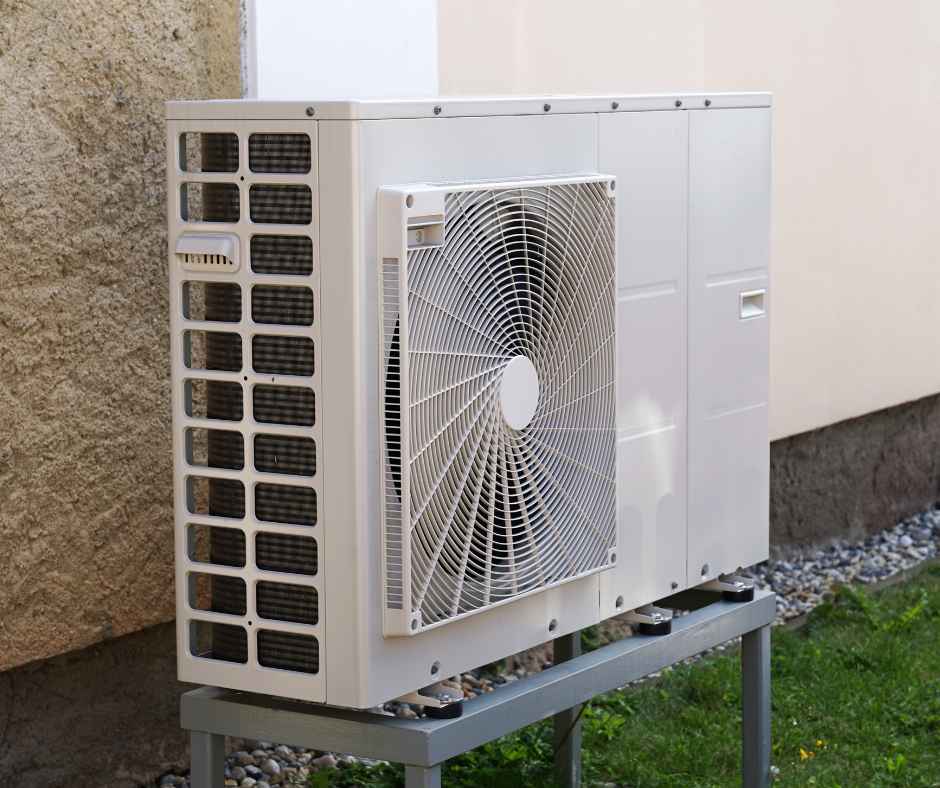
If you live in Boca Grande or along the Lemon Bay coast, your outdoor condenser unit is under constant attack from the elements. Salt air is a silent corrosive that can eat through aluminum cooling fins in just a few years. Additionally, the rapid growth of Florida’s tropical landscape can quickly “choke” your unit, preventing it from shedding heat. Maintaining the area around your outdoor unit is a critical part of HVAC maintenance that helps ensure your system doesn’t overheat during a 95-degree afternoon.
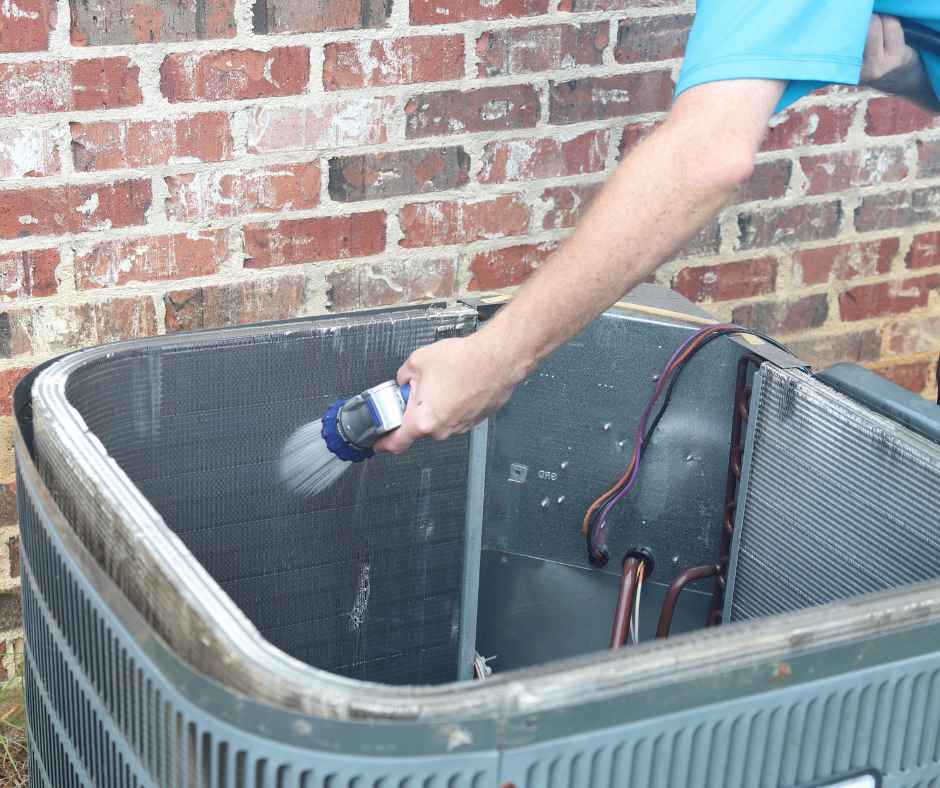
While you should never attempt to take the unit apart, a gentle external cleaning goes a long way. Keeping the “fins” clear of debris enables maximum heat transfer and lower energy consumption. To protect your outdoor investment from the harsh Southwest Florida environment, follow these exterior maintenance guidelines:
- The Two-Foot Rule: Maintaining at least two feet of clear space around the entire perimeter of the unit by trimming back hibiscus, palms, and seagrass.
- Gentle Freshwater Rinses: Using a low-pressure garden hose once a month to wash away salt spray and fine sand from the exterior coils.
- Removing Leaf Accumulation: Clearing away any “muck” or wet leaves that have gathered at the base of the unit to prevent rust.
- Inspecting Copper Insulation: Checking the black foam “sleeve” on the large copper line to ensure it hasn’t been pecked away by birds or degraded by UV rays.
- Monitoring for Pests: Watching for fire ant mounds or wasp nests inside the unit’s cabinet, which can short out electrical components.
- Verifying the Pad Level: Ensuring the concrete or plastic pad hasn’t shifted in the sandy soil, as a tilted unit can cause oil to settle unevenly in the compressor.
- Avoiding High Pressure: Never use a pressure washer on your AC unit, as the high-velocity water can bend the delicate aluminum fins and disrupt airflow.
Thermostat and Vent Optimization for Efficiency
The final piece of the HVAC maintenance puzzle happens right inside your living room. Your thermostat is the “brain” of your cooling system, and how you interact with it determines your monthly energy bill. Many Florida homeowners believe that “cranking it down” to 65 degrees will cool the house faster, but this actually just forces the system to run longer, increasing wear and tear without changing the cooling process.
Optimizing your airflow and your settings can save you hundreds of dollars a year. By treating your home’s air as a closed system, you allow your AC to work smarter, not harder. To get the most out of your home’s climate control, implement these efficiency-focused tasks:
- The 78-Degree Standard: Setting your thermostat to 78 degrees when you are home and 82 degrees when you are away to balance comfort with cost.
- Checking Thermostat Batteries: Replacing the batteries in your thermostat once a year to prevent a “no-cool” call caused by a dead screen.
- Keeping Vents Open: Resisting the urge to close vents in unused rooms, as this creates “backpressure” that can damage your blower motor.
- Dusting Return Grilles: Using a vacuum attachment to clear dust from your large “return” vents, ensuring the system can “breathe” properly.
- Ceiling Fan Synergy: Running ceiling fans counter-clockwise to create a wind-chill effect, allowing you to raise the thermostat by 4 degrees without losing comfort.
- Closing the Blinds: Keeping west-facing curtains closed during the afternoon to block the intense Florida sun from heating up your interior air.
- Smart Home Scheduling: Utilizing a programmable or smart thermostat to automatically adjust the temperature based on your daily routine.
Your Partner in Coastal Comfort: Grande Aire Services
At Grande Aire Services, we have been a fixture of the Boca Grande and Gasparilla Island community for over 30 years. We understand that “Island Life” comes with unique mechanical requirements that mainland companies often overlook. While these DIY tasks are essential for your system’s daily health, they are meant to complement professional service.
A comprehensive HVAC maintenance plan from our expert technicians is the best way to ensure your system survives the salt, sand, and heat of Southwest Florida. From precision tune-ups to 24/7 emergency support, we are ready to keep your home comfortable. Don’t wait until the heat becomes unbearable. Contact Grande Aire Services today to schedule your professional inspection and enjoy the peace of mind that comes with local expertise.