

Some Naples homes struggle to stay cool during Florida heat waves because the AC system is fighting extreme outdoor temperatures, high humidity, poor insulation, dirty coils, clogged filters, leaky ducts, low refrigerant, or an aging system that can no longer keep up. If your AC runs constantly but the home still feels warm, the issue may be airflow, humidity control, equipment condition, or home efficiency.
Florida heat waves can push an air conditioning system to its limit. When outdoor temperatures climb and humidity stays high, your AC has to run longer, work harder, and remove more moisture from the air. Some Naples homes stay comfortable through that demand. Others feel warm, sticky, uneven, or slow to cool, no matter how low the thermostat is set.
In this guide, we will explain why some Naples homes struggle to stay cool during Florida heat waves, what warning signs homeowners should watch for, and when to call Grande Aire Services for professional cooling help.
Why Heat Waves Are So Hard on Naples Homes
Naples homeowners rely on air conditioning for much of the year, but a heat wave creates a different level of stress. During normal summer weather, a properly working AC may cycle on and off while keeping the home comfortable. During periods of extreme heat, the system may run for longer with fewer breaks.
That extra demand can expose problems that were easy to miss before, such as:
- Dirty air filters
- Clogged evaporator coils
- Dirty outdoor condenser coils
- Low refrigerant
- Weak airflow
- Leaky ductwork
- Poor attic insulation
- Aging AC equipment
- Oversized or undersized systems
- High indoor humidity
- Blocked vents
- Thermostat issues
A heat wave does not always create the problem. Often, it reveals a problem that was already there.
Your AC May Be Running Constantly, But Still Falling Behind
During a Florida heat wave, it is normal for an AC system to run longer than usual. However, it should still make progress toward the thermostat setting. If the system runs all day and the indoor temperature keeps rising, something may be wrong.
Common signs your AC is falling behind include:
- The home feels warm even with the AC running
- The thermostat never reaches the set temperature
- Some rooms are cool while others stay hot
- The air from vents feels weak
- Indoor humidity feels high
- The AC runs nonstop
- Energy bills spike suddenly
- The outdoor unit sounds louder than usual
- The system shuts off unexpectedly
- Ice appears on the refrigerant lines or the indoor coil
A struggling AC system should be inspected before it fails completely. Heat waves are often when small cooling issues turn into emergency breakdowns.
Dirty Filters Can Restrict Airflow Fast
Airflow is one of the most important parts of home cooling. Your AC needs to draw warm indoor air through the return, pass it over the evaporator coil, and push cooled air back through the supply vents. A dirty filter blocks that process.
A clogged filter can cause:
- Weak airflow
- Longer cooling cycles
- Frozen coils
- Higher energy use
- Uneven room temperatures
- More dust in the home
- Extra blower motor strain
- Reduced cooling performance
In Naples, filters may clog faster during the heavy cooling season because the system runs so often. Homes with pets, construction dust, open doors, or frequent guests may need filter changes more often than expected.
Check filters regularly during hot weather. If a clean filter does not improve airflow, the issue may be deeper in the system.
Dirty Coils Reduce Cooling Power
Your AC has two major coils. The indoor evaporator coil absorbs heat from the air inside your home. The outdoor condenser coil releases that heat outside. When either coil is dirty, heat transfer becomes less effective.
Dirty coils can lead to:
- Warm air from vents
- Longer run times
- Higher electric bills
- Frozen indoor coils
- Compressor strain
- Poor humidity removal
- Reduced system lifespan
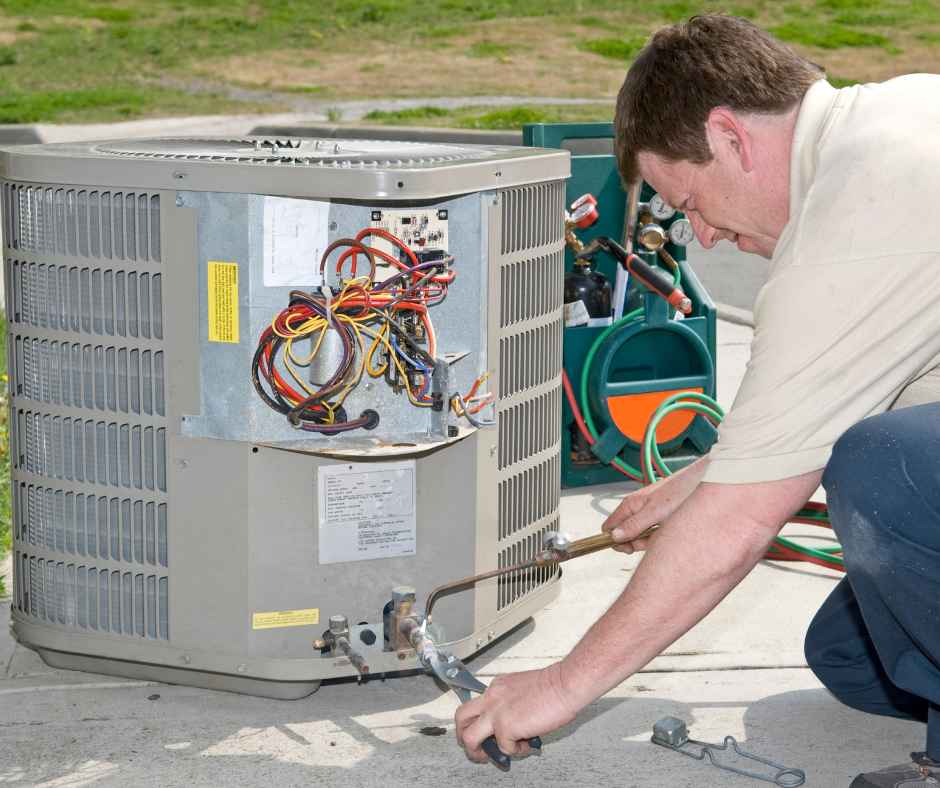
The outdoor unit in Naples homes can collect grass clippings, leaves, pollen, dirt, and storm debris. The indoor coil can collect dust, moisture, and buildup when filtration or maintenance is poor.
When coils cannot transfer heat properly, the AC may run constantly and still fail to cool the home.
Florida Humidity Makes Cooling Harder
Temperature is only half of the comfort equation. Humidity plays a major role in how your home feels. When indoor humidity is high, the air feels warmer and heavier, even if the thermostat reads a temperature close to normal.
High humidity can make your home feel:
- Sticky
- Damp
- Stale
- Warmer than the thermostat setting
- Musty
- Unevenly comfortable
Your AC removes some moisture while cooling, but extreme humidity can overwhelm the system. If the AC is short-cycling, oversized, low-performing, or struggling with airflow, it may not run long enough or efficiently enough to remove moisture.
Humidity problems may show up as:
- Clammy indoor air
- Condensation around vents
- Musty odors
- Damp bedding or furniture
- Mold or mildew concerns
- Rooms that feel cool but uncomfortable
- Constant thermostat adjustments
If your home feels sticky during a heat wave, lowering the thermostat may not solve the problem. You may need AC maintenance, airflow correction, duct repairs, or whole-home humidity control.
Leaky Ducts Can Waste Cooled Air
Ductwork carries cooled air through your home. If ducts are leaking, crushed, disconnected, or poorly insulated, cooled air may escape into the attic, garage, crawl space, or wall cavities before it reaches your rooms.
In a Naples heat wave, duct problems can make the AC work much harder.
Leaky or damaged ducts can cause:
- Hot rooms
- Weak airflow
- High energy bills
- Long AC run times
- Dusty indoor air
- Uneven temperatures
- Humidity problems
- Poor indoor comfort
Attic ductwork is especially important because attic temperatures can rise sharply during hot weather. If cooled air is leaking into that space, the system may never catch up.
Poor Insulation and Air Leaks Add Heat Back Into the Home
Your AC may be working properly, but the home itself may be letting in too much heat. Insulation, air sealing, window exposure, and attic conditions all affect cooling performance.
Heat can enter through:
- Poor attic insulation
- Leaky windows and doors
- Gaps around recessed lights
- Unsealed attic access
- Cracks around plumbing or electrical openings
- West-facing windows
- Poorly shaded rooms
- Garage walls next to living spaces
If your AC seems to cool well at night but struggles in the afternoon, heat gain may be part of the problem. Rooms with large windows, direct sun, or weak insulation often feel hotter during heat waves.
Your AC May Be the Wrong Size
AC sizing matters. A system that is too small may not have enough capacity to cool the home during extreme weather. A system that is too large may cool too quickly, shut off early, and fail to remove humidity properly.
An undersized AC may cause:
- Constant runtime
- Warm rooms
- Slow cooling
- Poor performance during peak heat
- Higher wear on equipment
An oversized AC may cause:
- Short cycling
- Sticky indoor air
- Uneven temperatures
- More wear from frequent starts and stops
- Poor humidity control
Replacing an AC system should never be based on square footage alone. A proper cooling load evaluation should consider insulation, windows, ductwork, ceiling height, sun exposure, and home layout.
Aging AC Systems Struggle More During Heat Waves
Even a well-maintained AC system loses performance as it ages. Florida’s long cooling season means systems often work harder than they would in milder climates. During a heat wave, that wear becomes obvious.
An aging system may show signs like:
- Frequent repairs
- Rising energy bills
- Weak airflow
- Noisy operation
- Inconsistent cooling
- Refrigerant issues
- Poor humidity removal
- Longer run times
- Breaker trips
- Difficulty keeping up with thermostat settings
If your AC is older and needs repairs every season, replacement may be more practical than continuing to patch the system.
Low Refrigerant or Mechanical Problems Can Limit Cooling
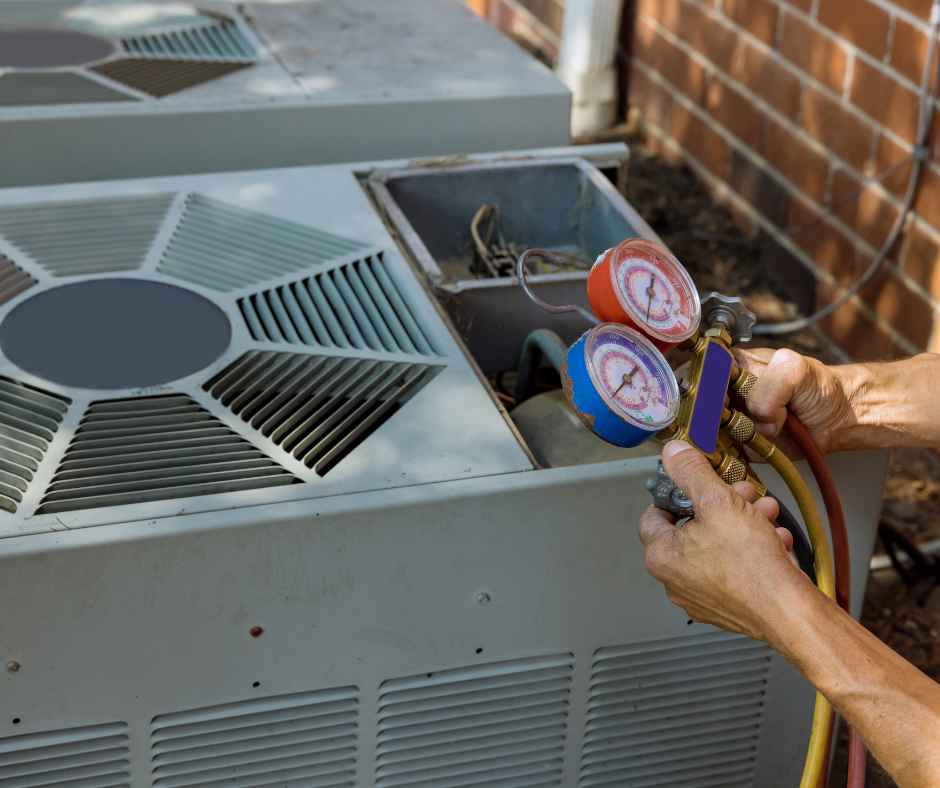
Your AC needs the right refrigerant charge to absorb and release heat. Low refrigerant usually indicates a leak or another system issue. It should not be treated as a normal maintenance item.
Low refrigerant can cause:
- Warm air from vents
- Frozen coils
- Hissing sounds
- Long run times
- Poor cooling
- Compressor damage
- Higher energy bills
Other mechanical issues can also show up during heat waves, including failing capacitors, weak fan motors, blower problems, bad contactors, thermostat failures, or compressor trouble.
If the system suddenly stops cooling properly, call for service before the damage worsens.
What Homeowners Can Check First
Before scheduling service, there are a few safe checks homeowners can make.
Start with:
- Replace or inspect the air filter
- Make sure supply vents are open
- Make sure return vents are not blocked
- Check thermostat settings
- Confirm the thermostat is not in direct sunlight
- Clear debris around the outdoor unit
- Make sure the outdoor unit is running
- Check for water around the indoor unit
- Look for ice on refrigerant lines
- Close blinds during peak afternoon sun
If these steps do not improve comfort, the system needs a professional diagnosis.
How to Help Your Naples Home Stay Cooler
Some cooling problems require repair, but good habits can reduce heat gain and strain on the system.
Helpful steps include:
- Schedule AC maintenance before peak summer
- Change filters regularly
- Keep outdoor units clear
- Use ceiling fans for comfort
- Close blinds during direct sun
- Seal obvious air leaks
- Keep interior doors open for airflow
- Avoid blocking vents with furniture
- Use kitchen and bathroom ventilation wisely
- Avoid major heat-producing chores during peak afternoon hours
- Ask about duct inspection if rooms are uneven
- Consider humidity control if the home feels sticky
These steps can help your AC work more effectively during extreme heat.
Why Professional AC Diagnosis Matters
When a home struggles to cool, the cause is not always obvious. The problem may be the AC system, ductwork, insulation, airflow, humidity, thermostat, or a combination of issues.
Grande Aire Services can inspect:
- Air filters
- Coils
- Refrigerant levels
- Electrical components
- Blower performance
- Outdoor unit condition
- Thermostat operation
- Condensate drainage
- Ductwork
- Airflow
- Humidity concerns
- System age and efficiency
The goal is to find out why the home is not staying cool, rather than guessing or lowering the thermostat until the system breaks down.
Call Grande Aire Services for Heat Wave Cooling Problems
Call Grande Aire Services if your Naples home feels warm, sticky, or uneven during a Florida heat wave, especially if the AC runs constantly and still cannot reach the thermostat setting. Weak airflow, warm air from vents, high humidity, rising energy bills, frozen coils, water near the indoor unit, or frequent repairs are all signs that your system needs professional attention.
Some homes struggle during heat waves because the AC is dirty, aging, low on refrigerant, poorly sized, or fighting duct leaks and insulation problems. Contact Grande Aire Services today to schedule AC service. Our team can diagnose the issue, restore better cooling, and help keep your Naples home comfortable through Florida’s toughest heat.